
Why Weight Distribution Matters on Service Trucks
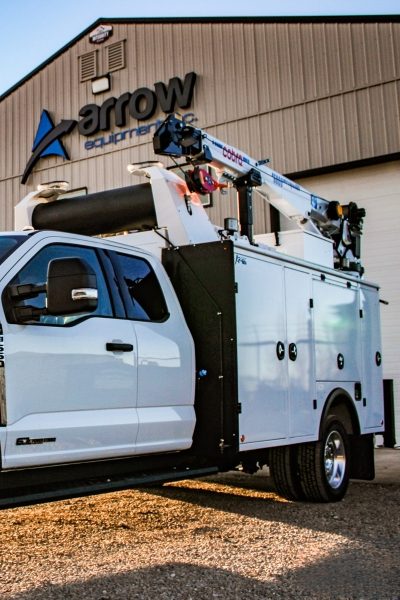
Service trucks don’t carry weight evenly. Cranes, compressors, welders, tool drawers, fuel, and air systems all add up — and most of that weight ends up concentrated in specific areas of the truck.
If that weight isn’t managed properly, it affects more than just ride comfort. It impacts safety, handling, component wear, and long-term reliability.
The Problem With Uneven Weight
When a service truck is rear-heavy or side-loaded, several issues show up quickly:
-
Rear sag and nose-high stance
-
Reduced steering control
-
Uneven tire wear
-
Increased stress on suspension components
-
Poor braking performance
Over time, these issues compound. What starts as a “slightly heavy” truck turns into premature suspension wear, driveline strain, and an uncomfortable ride — especially when the truck is fully loaded.
Why Proper Weight Distribution Matters
Balanced weight keeps the truck working the way it was designed to:
-
Tires stay planted evenly on the road
-
Steering remains predictable
-
Braking stays consistent
-
Suspension components last longer
For service trucks that carry variable loads or permanently mounted equipment, maintaining that balance is critical.
How SuperSprings Help Balance the Load
SuperSprings are added to support the factory suspension and correct load imbalance.
On service truck builds, SuperSprings help:
-
Reduce rear-end sag
-
Level the truck under load
-
Improve stability when cornering or braking
-
Maintain proper ride height
They’re especially effective on trucks with cranes, service bodies, and rear-mounted equipment where uneven weight is unavoidable.
Better Ride, Better Control
A properly balanced truck doesn’t just look better — it drives better. With SuperSprings installed, service trucks feel more controlled and predictable, even when fully loaded.
Drivers notice:
-
Less sway
-
More confidence on uneven roads
-
Reduced bounce and harshness
-
Better overall handling
That matters on long days, rough job sites, and highway miles alike.
Built for the Way Service Trucks Are Used
Service trucks aren’t empty half the time — they’re built to work loaded. Adding SuperSprings during the build process ensures the truck is set up correctly from day one, rather than compensating later for sag, wear, or poor handling.
Weight distribution isn’t a luxury upgrade.
It’s a foundational part of building a service truck that lasts.