
Top 5 Industries That Rely on Service Trucks Every Day
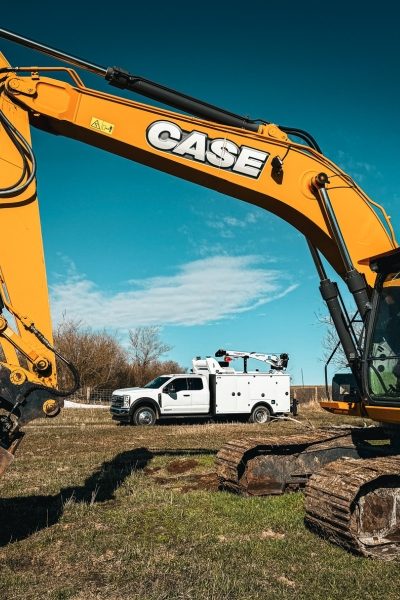
Properly equipped service trucks function as mobile workshops, parts storage, and equipment transport vehicles combined. These industries depend on well-configured trucks to maintain operational efficiency across varied work environments and demanding conditions.
Mobile Mechanics and Equipment Repair
Field mechanics operate from their trucks rather than fixed shop locations. Every tool, diagnostic device, and common replacement part needs organized storage that remains accessible during service calls. The truck essentially replaces a traditional workshop, requiring compartment configurations that support efficient work rather than forcing technicians to sort through disorganized storage.
Organized storage reduces service call time. When parts and tools occupy designated locations, mechanics spend less time searching and more time completing repairs. This efficiency directly impacts how many calls a mechanic can handle daily.
Construction and Trade Contractors
Electricians, plumbers, HVAC technicians, and general contractors transport materials, tools, and sensitive equipment to multiple job sites daily. Weather protection matters because water intrusion ruins electronic testing equipment, control boards, and specialty tools that represent significant capital investment.
Secure compartments prevent theft at job sites where multiple trades work simultaneously. Locking storage protects both hand tools and expensive specialized equipment from opportunistic loss common on busy construction sites.
Mining and Oilfield Operations
Remote industrial sites operate in conditions that reveal equipment weaknesses quickly. Extreme temperatures, dust, corrosive environments, and rough terrain all stress truck bodies and storage systems. Equipment failures in remote locations create expensive downtime because replacement parts or backup vehicles may be hours away.
Heavy-duty construction becomes essential rather than optional in these environments. Lightweight consumer-grade components fail under the combination of environmental stress and heavy use typical of resource extraction operations.
Telecommunications and Fibre Optic Installation
Cable installation crews transport sensitive electronics and spooled cable that requires protection from moisture, dust, and physical damage. Weather-resistant compartments prevent equipment failure that would delay installations or require expensive return trips to replace damaged materials.
The organized storage systems keep different cable types, testing equipment, and installation tools separated and accessible. This organization prevents the delays that occur when crews must sort through mixed materials to locate specific components during installations.
Utility and Municipal Services
Power line crews, gas utility workers, water system technicians, and municipal maintenance teams respond to service calls across extensive geographic areas. Their trucks need to carry diverse equipment because the specific tools required aren’t always predictable when responding to infrastructure failures or routine maintenance calls.
All-weather durability supports year-round operations regardless of conditions. Utility services don’t pause for weather, so the trucks supporting them need construction that functions reliably through Canadian winters and summer heat alike.
Matching Bodies to Applications
Different industries benefit from specific body configurations. The Milron 11 Series aluminium bodies provide corrosion-resistant construction for operations exposed to salt, chemicals, or moisture. For comprehensive service truck solutions, browse complete work-ready packages configured with bodies, equipment, and accessories already installed.